
STANDARDS FOR CHOOSING ENGINE COMPARTMENT CLEANING CHEMICALS
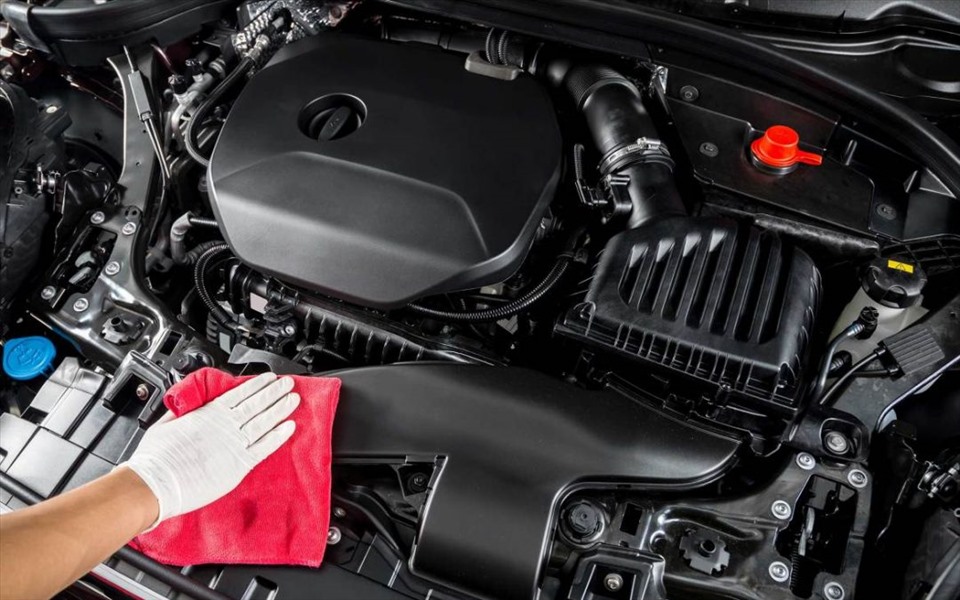
When it comes to maintaining the performance and longevity of your vehicle, one often-overlooked area is the engine compartment. Regular cleaning can help prevent issues related to grease buildup and dirt accumulation. However, selecting the right cleaning chemicals is crucial to ensure safety, efficiency, and effectiveness. In this article, we will explore the essential standards for choosing engine compartment cleaning chemicals.
1. Understand the Types of Cleaning Chemicals
Before diving into specific standards, it's essential to understand the types of cleaning chemicals available:
- Degreasers: These are powerful solvents designed to break down grease and oil. They are typically used for heavy-duty cleaning.
- Detergents: Mild cleaning agents that remove dirt and grime without damaging sensitive surfaces.
- Biodegradable Cleaners: Eco-friendly options that break down naturally and are less harmful to the environment.

Choosing the right type depends on the level of grime and the materials in your engine compartment.
2. Chemical Composition
When selecting cleaning chemicals, consider their composition:
- pH Level: A neutral pH (around 7) is generally safe for most engine components. Highly acidic or alkaline cleaners can cause damage to sensitive parts.
- Solvent Base: Water-based cleaners are usually safer and less harmful than solvent-based ones. They also have fewer volatile organic compounds (VOCs), making them a better choice for health and environmental safety.
Always check the label for detailed information about the chemical composition to prevent any adverse reactions.
3. Safety Standards
Safety is paramount when dealing with chemicals. Look for:
- Material Safety Data Sheets (MSDS): These documents provide crucial information about the chemical's hazards, handling, and first-aid measures.
- Certifications: Look for certifications from reputable organizations that indicate the product meets specific safety standards, such as OSHA or EPA compliance.
Always wear appropriate personal protective equipment (PPE) such as gloves and goggles when handling cleaning chemicals.

4. Compatibility with Engine Materials
The engine compartment consists of various materials, including metals, plastics, and rubber. Ensure that the cleaning chemicals you choose are compatible with these materials to avoid damage:
- Metals: Most engine components are made from aluminum or steel. Ensure the cleaner doesn’t cause corrosion or oxidation.
- Plastics and Rubber: Some cleaners can degrade rubber seals and plastic parts. Always verify compatibility before use.
A product that is safe for all materials in the engine compartment will help maintain the integrity of your vehicle's components.
5. Effectiveness and Performance
The effectiveness of a cleaning chemical is crucial. Look for products that:
Remove Stubborn Grime: Ensure the cleaner can effectively dissolve grease, oil, and dirt.
Fast-Acting: A good cleaner should work quickly, reducing the time and effort needed for cleaning.
Consider reading reviews and testimonials to gauge the effectiveness of the product from other users’ experiences.
6. Environmental Impact
In today’s world, choosing environmentally friendly products is essential. Look for:
- Biodegradable Options: These cleaners break down naturally and are less harmful to the ecosystem.
- Low VOCs: Products with lower levels of volatile organic compounds are better for air quality and human health.
Selecting eco-friendly cleaning chemicals can help protect the environment while maintaining your vehicle.
7. Cost-Effectiveness
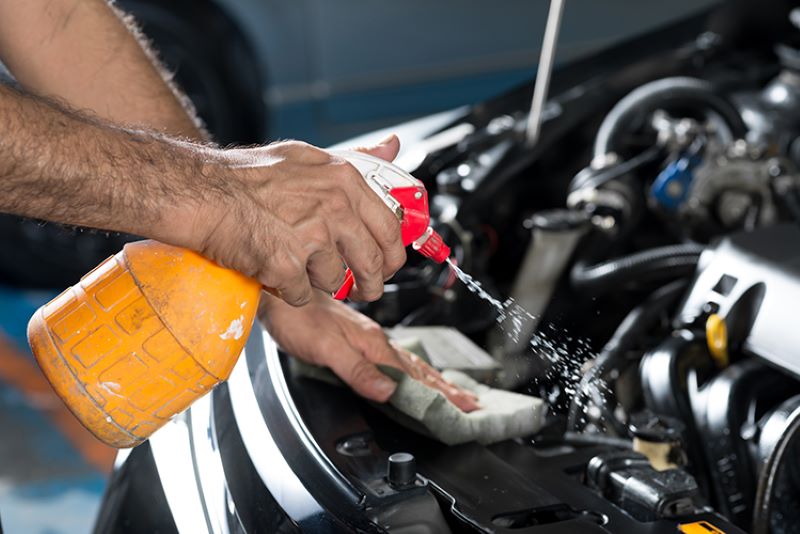
While it's tempting to choose the cheapest option available, consider the long-term value. A slightly more expensive product may offer better performance and safety, ultimately saving you money on repairs and maintenance.
- Concentration: Often, concentrated cleaners can be diluted for use, providing more cleaning power per dollar spent.
- Versatility: Some products can serve multiple purposes, reducing the need for additional purchases.
8. Ease of Use
The usability of the cleaning product is another important factor. Consider:
- Application Method: Choose products that are easy to apply, whether in spray, foam, or liquid form.
- Rinsability: A cleaner that rinses off easily will save time and reduce the risk of residue buildup.
Read user instructions and recommendations to ensure a hassle-free cleaning experience.
9. Brand Reputation
Finally, consider the reputation of the brand. Established brands often have a track record of quality and safety. Research the manufacturer’s history and look for products that have been recommended by professionals in the automotive industry.
10. Conclusion
Choosing the right engine compartment cleaning chemicals is crucial for maintaining your vehicle's performance and longevity. By understanding the types of cleaners, their compositions, safety standards, and environmental impacts, you can make informed decisions that benefit both your vehicle and the environment. Always prioritize safety, compatibility, and effectiveness, and never compromise on quality. With the right cleaning chemicals, you can keep your engine compartment clean and efficient for years to come.