
THE EFECT OF FOAM WHEN WASHING A CAR?
Foam is one of the most recognizable elements in the car washing process, yet many car owners underestimate its true purpose. To some, foam simply looks “professional,” but in reality, it plays a crucial role in protecting your paint, preventing scratches, and improving overall cleaning efficiency. Whether you wash at home or bring your car to a detailing center, understanding the effect of foam can make a significant difference in how well your vehicle is maintained.
1. What Exactly Is Car Wash Foam?
Car wash foam is created when water mixes with a specially formulated car shampoo designed to trap dirt and lubricate the paint surface. This foam contains surfactants, which lower the surface tension of water, allowing it to spread evenly and lift contaminants from the paint. Unlike household detergents, car wash shampoo is pH-balanced, safe for wax, and engineered to clean without damaging coatings.

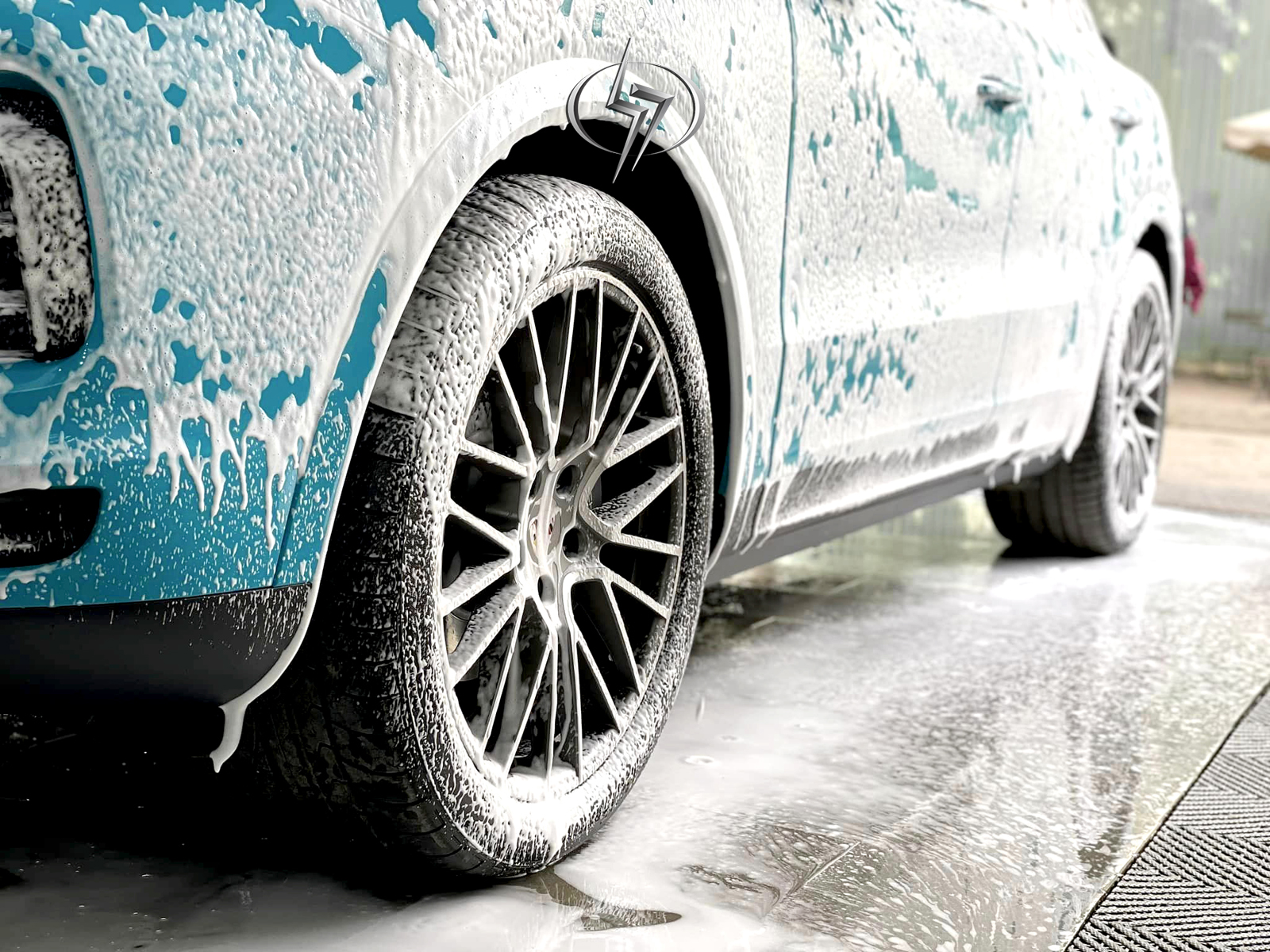
Foam can be applied through various tools such as foam cannons, foam guns, pressure washers, or even by hand using a bucket. Regardless of the method, the principle remains the same: foam loosens, lifts, and lubricates.
2. How Foam Interacts With Dirt and Contaminants
When foam lands on a dirty car surface, it immediately begins surrounding and softening the dirt particles. These particles can include dust, dried mud, road grime, pollen, industrial fallout, and tiny metal particles. Instead of rubbing these contaminants directly into the paint, foam helps break their bond with the surface.
As the foam sits, it slowly pulls contaminants away from the clear coat. When rinsed off, much of the dirt leaves with it. Without this step, every swipe of your wash mitt risks dragging abrasive particles across your paint, causing swirls and micro-scratches over time.
3. The Lubricating Effect: A Critical Protective Layer
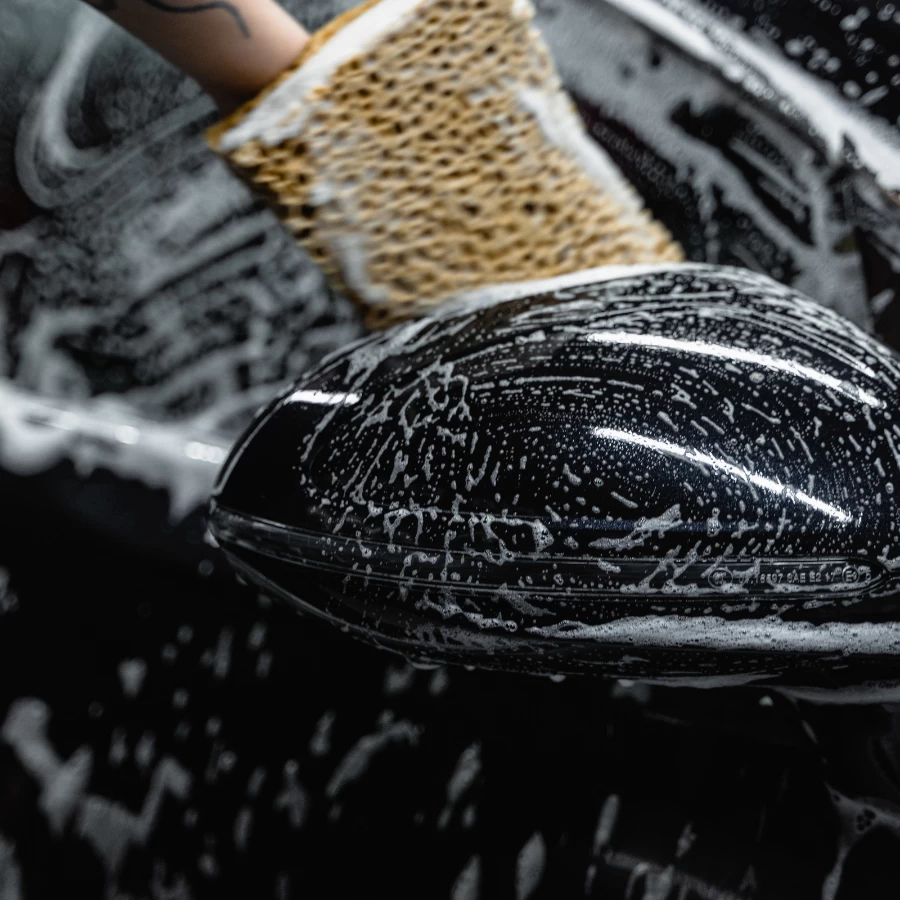
Lubrication is one of the most important effects of foam when washing a car. When you wash without foam or lubrication, friction between the wash mitt and the paint increases dramatically. This is one of the biggest reasons why cars—especially black ones—develop swirl marks.
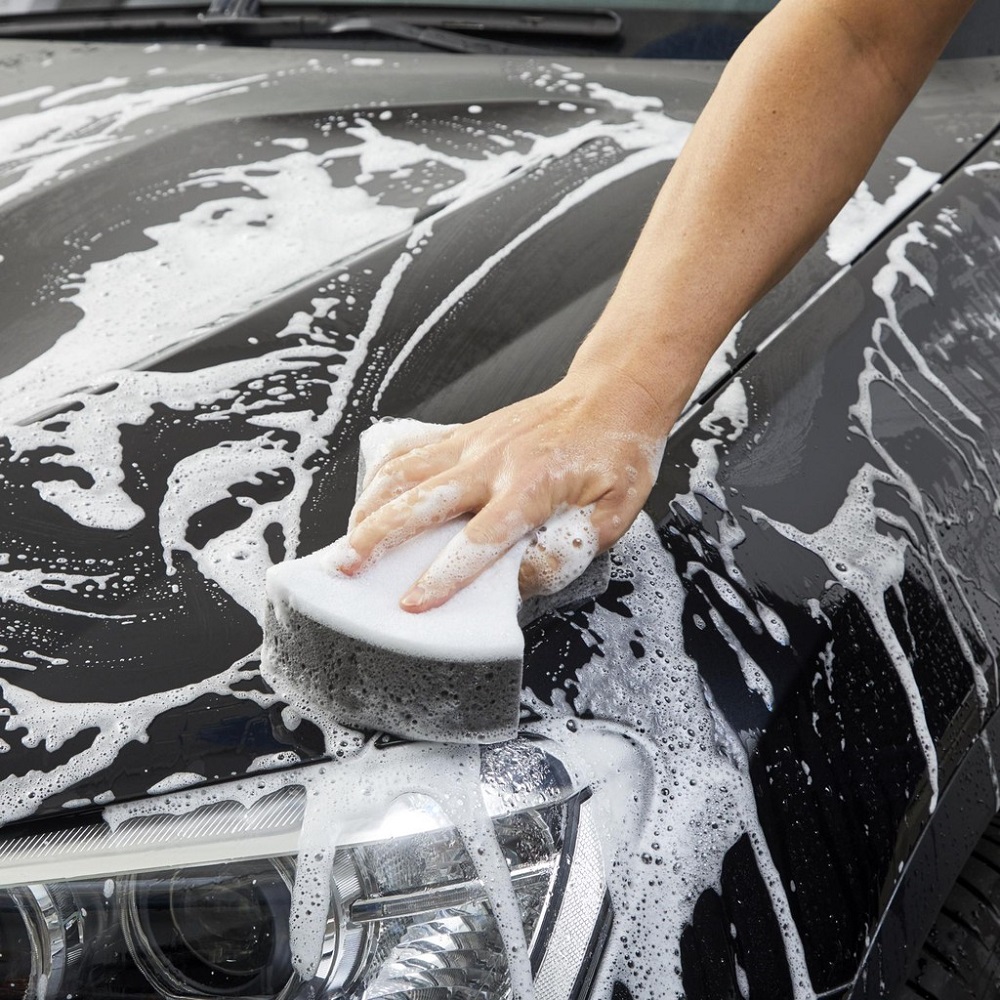
Foam acts like a temporary protective shield. It creates a slippery surface that allows your wash mitt to glide smoothly across the paint without dragging dirt. The more lubrication the foam provides, the safer and smoother the hand-washing process becomes.
This is why professional detailers always use thick, clingy foam—it enhances lubrication and significantly reduces the risk of scratches.
4. Foam Helps Break Down Tough Road Film
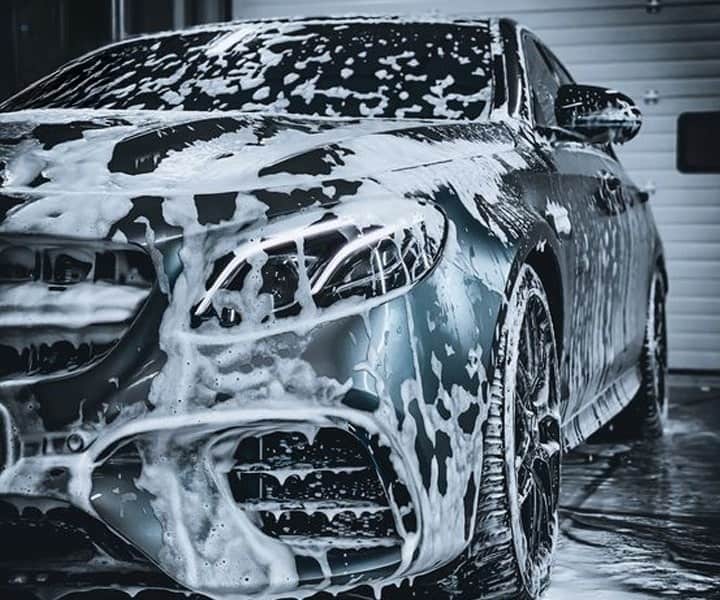
Road film is one of the hardest contaminants to remove during a standard wash. It is a mixture of oil, dust, exhaust residue, tar, and micro-particles that adhere tightly to the vehicle’s paint. Simple rinsing rarely removes road film completely.
Foam, however, is formulated to soften and loosen these stubborn contaminants. When it clings to the paint for several minutes, it begins dissolving the oily layer, making it easier to wash away. This step greatly improves the overall effectiveness of your wash and ensures a deeper clean.
Cars driven daily in cities or near construction sites benefit significantly from a thick foam pre-wash.
5. Foam Helps Maintain a Glossy, Swirl-Free Finish
A clean car isn’t just about removing dirt; it's about preserving the smoothness and clarity of your clear coat. Over time, improper washing techniques can dull the shine of your paint, leaving behind marks and imperfections that are difficult and expensive to fix.
Foam helps maintain a glossy finish by:
-
Reducing friction during washing
-
Encapsulating dirt to prevent scratching
-
Minimizing the chance of swirl marks
-
Preparing the surface for wax, sealant, or ceramic coatings
With proper foam use, your car retains its showroom-like shine for longer.
6. Foam Enhances the Performance of Car Shampoo
Car shampoos contain active ingredients such as surfactants and lubricants. Foam allows these ingredients to spread evenly across the vehicle’s surface, maximizing their effectiveness. Thick foam also prevents shampoo from running off too quickly, giving it more time to break down contaminants.
High-quality foam boosts:
-
Cleaning power
-
Rinsing performance
-
Lubrication
-
Surface protection
This is why detailers prefer snow foam or rich lather shampoos rather than thin, watery alternatives.
7. Why Technique Matters When Using Foam
Using foam correctly plays a big role in achieving a safe and effective wash. The following best practices help maximize the benefits:
• Always perform a pre-wash foam step
This removes loose dirt before physical contact, lowering the risk of scratching.
• Allow the foam to dwell for 3–5 minutes
This gives the surfactants enough time to break down contaminants.
• Avoid letting foam dry on the surface
Dry foam can leave streaks or reduce cleaning effectiveness.
• Use a pH-neutral shampoo
It protects wax, sealant, and ceramic coatings.
• Apply foam again during the hand-wash stage if needed
More lubrication equals safer washing.
Proper technique transforms foam from a simple cosmetic feature into a powerful protective tool.
8. Should You Always Use Foam When Washing a Car?
For the safest results—yes. Foam is one of the easiest ways to prevent paint damage, especially on daily-driven cars or vehicles with sensitive finishes like gloss black or ceramic coatings. While it may add a few minutes to your wash routine, the long-term benefits outweigh the extra effort.
Foam is especially recommended for:
-
Ceramic-coated cars
-
Dark-colored vehicles
-
Cars exposed to dust and pollution
-
Professional detailing washes
-
Anyone who wants to avoid scratches and swirl marks
Skipping foam may make the process faster, but it compromises paint safety.
9. Conclusion: Foam Plays a Much Bigger Role Than You Think
Foam is not just for show—it is an essential part of safe car washing. From lifting dirt and reducing friction to protecting paint and enhancing the shampoo’s performance, foam is a powerful element that significantly improves cleaning results. By understanding how foam works and applying it properly, you can keep your vehicle looking glossy, smooth, and well-protected for years.
Using foam is one of the simplest yet most effective steps you can take to maintain the long-term health of your car’s paint.